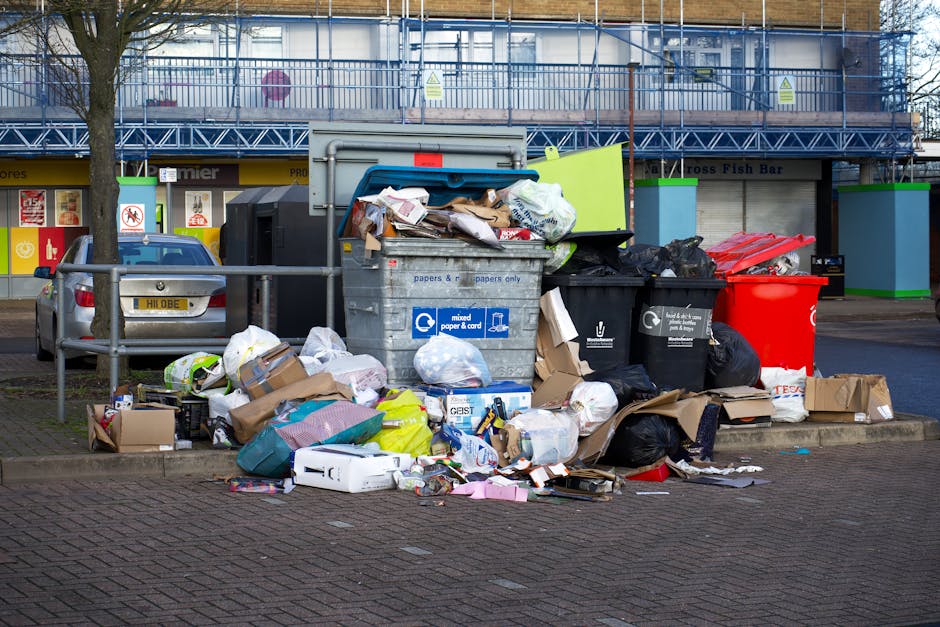
Plumstead High Street shop rubbish removal options for traders

If you run a shop on or near Plumstead High Street, rubbish can build up faster than you expect. Deliveries arrive in cardboard mountains, packaging fills the back room, and suddenly the bin store is doing its best impression of a narrow alleyway in a storm. The good news is that there are sensible Plumstead High Street shop rubbish removal options for traders that keep things moving without turning your trading day upside down.
This guide breaks down the practical choices, how they work, what they suit best, and what to watch out for. Whether you need a one-off clear-out after a refit, regular commercial waste support, or a fast solution for bulky shop waste, you'll find a straightforward answer here. Let's face it, nobody wants waste becoming the thing customers remember most.
To help you skim the essentials, here's a quick map of the article.
- Why it matters
- How it works
- Key benefits and practical advantages
- Who needs this and when it makes sense
- Step-by-step guidance
- Expert tips for better results
- Common mistakes to avoid
- Tools, resources and recommendations
- Law, compliance, standards, or best practice
- Options, methods, or comparison table
- Case study or real-world example
- Practical checklist
- Conclusion
- Frequently asked questions
Why Plumstead High Street shop rubbish removal options for traders Matters
Retail waste is not just an end-of-day nuisance. For traders, it affects presentation, hygiene, safety, storage space, and sometimes even staff morale. A tidy shopfront feels organised; a cluttered one can make the whole operation feel a bit frazzled, even if the till is busy and the stock is selling well.
Plumstead High Street has the sort of everyday commercial rhythm where waste can accumulate in small bursts: packaging from deliveries, broken display fixtures, old stock, promotional material, food waste if you sell consumables, and the occasional bulky item that simply will not fit into a standard bin. If you leave it too long, the pile becomes a problem rather than a task.
There is also the practical side. Shop waste often needs to be removed around opening hours, delivery windows, and foot traffic. You may not have the luxury of waiting for a perfect time slot. A good removal plan helps you keep the front of house presentable and the back of house usable. That sounds simple, but it matters day after day.
And then there's compliance. Traders have a duty to manage their waste responsibly, which means choosing a method that suits the type of waste, the volume, and the collection arrangements. For some businesses, the answer is a scheduled commercial collection. For others, a skip, a man-and-van clearance, or a same-day uplift is the better fit.
Expert summary: the best rubbish removal setup for a shop is usually the one that matches your waste pattern, space limits, and trading hours. Not the cheapest on paper, not the fanciest one either. The one that actually works when the boxes start stacking up.
How Plumstead High Street shop rubbish removal options for traders Works
There are several ways traders usually handle rubbish removal, and each one behaves a little differently in real life. The right option depends on how often waste appears, what kind of waste it is, and how much room you have outside or at the rear of the property.
1. Commercial waste collection
This is the regular-basis option. A licensed waste carrier collects your rubbish on a set schedule, which is useful for shops with consistent waste output. It works well for cardboard, general mixed commercial waste, and some recyclable streams. If your shop generates a steady flow of bags and boxes, this is often the least disruptive route.
2. Skip hire
A skip is often the best answer when a trader has a short-term surge in waste. Think refits, clear-outs, stockroom declutters, or a burst of packaging after a delivery-heavy period. You fill it over time, and it is taken away when you are done. If access is limited, you may need to look carefully at size, placement, and any permit requirements. The page on skip hire is a useful starting point if you want to compare standard options.
3. Wait-and-load
Wait-and-load is exactly what it sounds like. The vehicle arrives, you load the waste quickly, and it leaves. This can be a smart choice where there is nowhere safe to leave a skip or where you want minimal street clutter. It does demand a bit of organisation, though. If your team is still sorting bags while the truck is waiting, the clock starts to feel very rude, very quickly.
4. Man and van rubbish removal
This tends to suit traders with mixed items, smaller volumes, or awkward bulky waste. It is a more flexible service than skip hire, especially if you need items taken from inside the shop, downstairs storage, or a cramped stockroom. For one-off retail clearances, it often makes life easier because the lifting is handled for you.
5. Same-day removal
Sometimes waste needs to disappear now. A broken unit, an emergency stockroom clear-out, or a surprise inspection can make speed the priority. In those moments, a fast collection service can keep your business running and stop a small issue from becoming a front-of-shop headache. If timing is tight, you may also want to look at same-day skip hire as a possible solution.
How the process usually flows
In most cases, the process is simple:
- You identify the waste type and volume.
- You choose the removal method that fits your premises and schedule.
- You confirm access, collection timing, and any restrictions.
- The waste is loaded or placed for collection.
- It is removed and handled by the chosen provider.
That sounds tidy on paper. In real life, you may need to work around staff breaks, delivery vans, weather, and the public wandering past with shopping bags. Still, the core idea stays the same: make the waste flow predictable.
Key Benefits and Practical Advantages
The right rubbish removal approach does more than clear space. It can improve how the whole shop feels and functions. And yes, that includes the little things customers notice before they even speak to anyone.
- Cleaner customer impression: a neat frontage and uncluttered back room make the business look sharper.
- Safer working conditions: fewer trip hazards, fewer overfilled bins, and less loose packaging in walkways.
- Better use of space: stockrooms stay usable instead of becoming accidental waste storage.
- Less staff frustration: people can get on with selling instead of juggling rubbish bags like a bad circus act.
- More flexible operations: when you know how waste is handled, you can plan around deliveries and busy periods.
- Improved recycling opportunities: separating cardboard, metals, and reusable material becomes easier when the system is planned properly.
A lot of traders underestimate the knock-on effect of waste clutter. One overfull corner can slow down replenishment, make cleaning awkward, and create that slightly tense feeling nobody wants in a busy shop. Clear waste routines keep the place calmer. That matters more than it sounds.
There is also a financial angle. Choosing the right method can reduce avoidable labour time, prevent extra trips, and stop waste from becoming a recurring last-minute expense. The key is not to overbuy capacity you do not need, or underbuy and end up paying more because the collection was too small.
Who This Is For and When It Makes Sense
This topic is relevant for a wide range of traders, not just the obvious ones. If your shop generates packaging, old fixtures, display material, or bulky waste, you are in the right place.
Common types of traders who benefit
- Independent retailers with limited rear access
- Convenience stores and newsagents with frequent packaging waste
- Clothing and footwear shops doing seasonal refreshes
- Phone, electronics, and mobile accessory retailers with packaging and display waste
- Beauty, health, and personal care shops with cardboard, plastics, and occasional stock disposals
- Small food retailers needing a mix of general waste and recyclables
- Pop-up traders and short-term leased units
- Refitting shops that need a fast clear-out before reopening
When it usually makes sense to arrange removal
There are a few common triggers. A new stock delivery leaves you with more cardboard than expected. You are replacing shelving or signage. The stockroom has become difficult to move through. You are preparing for an inspection or seasonal sale. Or maybe the waste store outside has started to look like it has its own postcode.
To be fair, many traders wait too long. They keep making do until the problem becomes awkward. If you are already moving boxes around to open cupboards, it is probably time to sort a better system.
Step-by-Step Guidance
If you want a clean, practical approach to shop waste, start here. The best results usually come from a few calm decisions, not a rushed clear-up at closing time.
Step 1: Identify your waste stream
Separate what you are throwing away. Cardboard, mixed packaging, damaged stock, shop fittings, broken furniture, old appliances, confidential paperwork, and anything potentially hazardous should not all be handled the same way. This is where many traders save money, because mixed waste tends to be more awkward than sorted material.
Step 2: Estimate volume honestly
Try to estimate how much waste you actually have. A single skip may be fine for a tidy clear-out, but repeated overfilling or underestimating can cause delays and extra cost. If you are unsure, take a quick look at your stockroom, not just the front counter. That is where the truth usually lives.
Step 3: Check access
Before booking anything, think about access. Can a vehicle stop safely nearby? Is there room to load? Do you need to avoid peak footfall? Are there steps, tight doorways, or narrow rear lanes? The less clear the access, the more important it becomes to choose a flexible removal method.
Step 4: Match the method to the situation
Choose the route that suits the job rather than forcing the job into the route.
- Routine waste: scheduled commercial collection
- One-off bulky clearance: man and van or load-and-go service
- Medium renovation waste: skip hire
- Limited access or no space outside: wait-and-load
- Urgent clutter removal: same-day collection
Step 5: Plan for sorting and loading
If waste is going in a skip or being collected in one visit, get it sorted in advance. Flatten cardboard. Separate reusable items if relevant. Keep sharp or awkward items safe. Little things help more than people think. A smooth collection often starts an hour before the truck turns up.
Step 6: Confirm any permit or placement issue
If the skip or vehicle needs to sit on a public road, you may need to check the permit situation before proceeding. If you are using private forecourt or rear access, this may be simpler. Still, it is worth asking early rather than discovering a problem when the collection is already booked.
Step 7: Review what could be recycled
Some waste streams from shops are more recyclable than they first appear. Cardboard, certain plastics, metals, and some packaging can often be separated. Ask what can be recovered rather than assuming everything must go in the same bag. Good waste planning tends to improve over time once staff get used to it.
Expert Tips for Better Results
Here are the things that make a genuine difference in day-to-day retail waste handling. They are not flashy, but they save hassle.
- Keep one dedicated waste corner: a fixed spot for flat-pack cardboard and reusable packing makes sorting quicker.
- Use clearer labels: staff are more likely to sort correctly when bins are obvious.
- Book before the rush: don't wait for the stockroom to become a maze.
- Time collections around deliveries: if your van drops off at 8am, don't schedule loading at the same moment if you can help it.
- Ask about mixed loads early: some items need separate handling, especially if they include appliances or potentially hazardous material.
- Keep records: useful for internal admin, and it helps if you ever need to show waste has been handled properly.
- Train new staff quickly: a five-minute walkthrough on what goes where can prevent a lot of mess later.
One small but useful habit: photograph the waste area before a major collection. It helps you judge how much was removed and whether the next booking should be larger or smaller. Nothing glamorous about that, but it works.
If you are comparing service styles, you may also find it useful to review skip sizes and prices before making a decision. Even a rough understanding helps you avoid paying for space you won't fill.
Common Mistakes to Avoid
Most waste headaches for traders come from a handful of avoidable mistakes. They are easy to make, especially when the shop is busy.
- Underestimating volume: the classic one. Waste always seems smaller until it is all on the floor.
- Mixing unsuitable materials: not everything can go together, and some items need special handling.
- Ignoring access limits: a great service becomes awkward if the vehicle cannot get close enough.
- Leaving it too late: the longer waste sits, the more it interferes with trading.
- Choosing solely on price: a cheap quote with poor timing or poor flexibility can become expensive in the end.
- Not planning staff involvement: if your team must load waste, make sure they know the plan before the vehicle arrives.
- Forgetting recycling separation: you may be paying to dispose of material that could have been handled more efficiently.
Another common one is assuming "shop waste is just shop waste." It isn't. A box of display packaging, a broken till stand, and an old fridge are not the same thing. Treating them as if they are can cause delays or compliance issues.
Tools, Resources and Recommendations
You do not need a complicated system to manage shop waste well. A few practical tools are usually enough.
- Heavy-duty waste sacks: useful for general mixed rubbish and everyday shop waste.
- Flat-pack cardboard area: a simple stack zone keeps boxes manageable.
- Labelled bins or tubs: helpful for separating recyclable material from general waste.
- Basic measuring tape: surprisingly handy when estimating how much waste storage space you have.
- Checklist on the back room wall: small, visible reminders reduce confusion.
- Internal booking notes: keep a record of collection dates, issues, and waste types.
For traders who want a broader overview of waste handling, the site's rubbish removal and waste recycling services pages are useful starting points. If your waste includes commercial material rather than household-style clutter, commercial skip hire may also be worth reviewing.
If you need help with pricing clarity, the page on pricing and quotes can help you understand the kind of information you may be asked for before a collection is arranged. That's often the bit people skip, and then wonder why the quote felt vague.
Law, Compliance, Standards, or Best Practice
For traders, waste handling is not just about getting rid of things. It is about doing it properly. In the UK, businesses have a general duty to manage waste responsibly, which means using a suitable collection method, separating waste sensibly where possible, and working with a legitimate waste carrier. If you are unsure whether a provider is suitable, ask clear questions before you book.
Best practice usually includes the following:
- keeping waste secure and preventing it from spilling onto the pavement
- storing waste so it does not create a fire, pest, or trip hazard
- separating recyclable material where practical
- avoiding contamination of mixed loads
- making sure collections do not block access for customers or neighbouring businesses
Some waste streams need extra care. For example, confidential paperwork, refrigeration units, certain electrical items, and anything potentially hazardous may need a more specific disposal route. If your stockroom contains specialist material, do not assume a general collection will suit it. Ask first. A short conversation now is better than a bigger mess later, honestly.
Skip placement can also matter. If you are using public highway space, check whether a permit or permission is needed before the skip is placed. The details vary by situation, so treat it as a planning point, not an afterthought. Similar common-sense care applies to loading, transport, and storage. The aim is simple: keep your premises safe and your waste traceable.
For operational transparency and general peace of mind, you may also want to review supporting pages like health and safety policy and insurance and safety. They are not glamorous reading, granted, but they do show the kind of standards a business keeps in mind.
Options, Methods, or Comparison Table
Choosing between the main removal methods is easier once you compare them side by side. The "best" option depends on space, timing, and the type of waste you need removed.
| Method | Best for | Pros | Watch-outs |
|---|---|---|---|
| Commercial waste collection | Regular shop waste | Predictable, low effort, works well for routine rubbish | Less ideal for sudden bulky clear-outs |
| Skip hire | Refits, stockroom clearances, renovation waste | Flexible fill time, good for larger volumes | Needs space and sometimes a permit |
| Wait-and-load | Locations with no storage space | No skip left on site, quick turnaround | Requires waste to be ready quickly |
| Man and van | Mixed or bulky shop items | Helpful where lifting and access are tricky | Can be less suitable for very large waste volumes |
| Same-day collection | Urgent, time-sensitive waste | Fast and responsive | Availability can vary, especially at busy times |
There is no universal winner. A small shop with weekly cardboard and bagged general waste might need one simple routine. A retailer doing a full interior refresh may need a very different setup. The smart move is to match the method to the moment.
Case Study or Real-World Example
Here is a realistic example, based on the kind of situation many Plumstead traders face. A small independent retail unit receives a batch of new stock, replacement display fittings, and a few broken cartons from a delivery. At the same time, the owner wants to clear the stockroom before a weekend promotion. Nothing dramatic. Just one of those weeks.
At first, the team tries to manage everything with the standard bins at the back. By Tuesday evening, the boxes are leaning against the wall, the route to the storage shelf is awkward, and someone has to move waste three times just to reach a spare roll of tape. Waste is no longer "waste"; it has become part of the furniture.
The trader then chooses a mixed approach: flat cardboard is separated and compressed, a small man-and-van style clearance is used for the bulky items, and the remaining general waste goes into the usual commercial system. The result is simple but noticeable. The stockroom opens up, loading becomes easier, and the front of the shop feels calmer again.
The useful lesson? You do not always need one huge solution. Sometimes the best answer is a combination of smaller, sensible choices. That is especially true for shops with limited space and varied waste streams.
Practical Checklist
Use this checklist before arranging your next shop waste collection.
- Have you identified the waste type or types?
- Do you know roughly how much needs removing?
- Is the waste stored safely and out of the customer flow?
- Do you know whether access is tight, shared, or restricted?
- Have you decided if the job is routine, one-off, or urgent?
- Will anything need special handling, such as appliances or confidential material?
- Have you checked whether a skip or vehicle would need extra permission to stop nearby?
- Is your team clear on who will prepare the waste?
- Have you considered separating cardboard and other recyclable items?
- Do you have the booking details, timings, and contact info ready?
If you can tick most of those off, you are already ahead of the game. Not perfection. Just readiness. And that is usually enough to make collection day much smoother.
Conclusion
The best Plumstead High Street shop rubbish removal options for traders are the ones that fit your space, your trading pattern, and the kind of waste your business actually produces. There is no one-size-fits-all answer, but there is a sensible answer for most shops once you look at access, urgency, volume, and waste type together.
If your shop feels cramped, cluttered, or one delivery away from chaos, it is probably time to put a proper removal plan in place. Start with the basics, choose the method that matches the job, and keep the process as calm as you can. A tidy shop is not just easier to work in. It feels better for staff, better for customers, and better for the rhythm of the day.
Get a free quote today and see how much you can save.
And if you are still weighing things up, that is fine too. Sometimes the best business decision is simply getting the waste sorted before it starts making decisions for you.
Frequently Asked Questions
What are the main rubbish removal options for traders on Plumstead High Street?
The main options are commercial waste collection, skip hire, wait-and-load, man and van removal, and same-day collections. The right choice depends on how much waste you have, how quickly it needs to go, and how much space your shop has for loading or storage.
Is skip hire suitable for a small retail shop?
Yes, it can be, especially for a short-term clear-out or refit. It is less ideal if you have no room outside or if the shopfront is too tight for a skip. In those cases, wait-and-load or man and van services may be easier.
What type of waste do shops usually produce?
Retail shops commonly produce cardboard, plastic packaging, damaged stock, display material, shelving offcuts, old fittings, and general mixed waste. Some shops also produce appliance waste, confidential paper, or specialist items that need separate handling.
How do I know whether I need a permit for a skip?
If the skip would sit on public highway space rather than private property, a permit or permission may be needed. The exact requirement depends on location and placement, so it is best to check before booking.
What is the best option if my shop has very limited space?
Wait-and-load or man and van removal usually works well when space is tight. These methods avoid leaving a skip outside for days and can be better for high-footfall streets or properties with awkward access.
Can I mix cardboard with general shop waste?
Sometimes yes, but it is usually better to separate cardboard where possible. Keeping it separate may improve recycling and reduce contamination. It can also make your overall waste handling more efficient.
How quickly can rubbish be removed from a shop?
Timing depends on the service and availability. Some providers can offer same-day or next-day support, while routine commercial collections may be scheduled in advance. If timing matters, book early and explain the deadline clearly.
What should I do with broken appliances or display units?
Do not assume they can go with ordinary waste. Items such as fridges, small electricals, and bulky fixtures may need a separate disposal route. Ask about appliance removal or specialist handling before loading them in with everything else.
Is man and van rubbish removal better than a skip?
Not always. Man and van is often better for awkward access, smaller volumes, and jobs where you want lifting included. A skip can be better for larger, ongoing clear-outs where you need time to fill it. It depends on the job.
How can I keep waste costs under control as a trader?
Separate recyclable material, estimate volume accurately, avoid overfilling, and choose the right method for the job rather than defaulting to the quickest or cheapest-looking option. A little planning tends to save money over time.
What are the common mistakes businesses make with shop waste?
The biggest mistakes are waiting too long, underestimating volume, mixing unsuitable materials, and not checking access before booking. These issues cause delays, extra cost, and avoidable stress.
Who should I speak to before arranging a collection?
If your waste is ordinary commercial rubbish, speak to a waste removal provider who can guide you on size, timing, and method. If the waste includes anything unusual, make that clear straight away so you get the right solution from the start.